
Rosa Ribera Silva
Executive Director, Casa de la Mujer
Are you in danger?The shelter is open 24 hours a day, every day.
Your safety
Who we are
A feminist, autonomous and non-profit organization that has been working in Santa Cruz de la Sierra since the 1990s.
Who we are
The Women's House is a non-profit feminist organization that works to promote and defend human rights, with an emphasis on the rights of women, girls, and adolescents. From a feminist perspective, it analyzes and challenges systems of domination, especially patriarchy, which perpetuate inequality and violence.
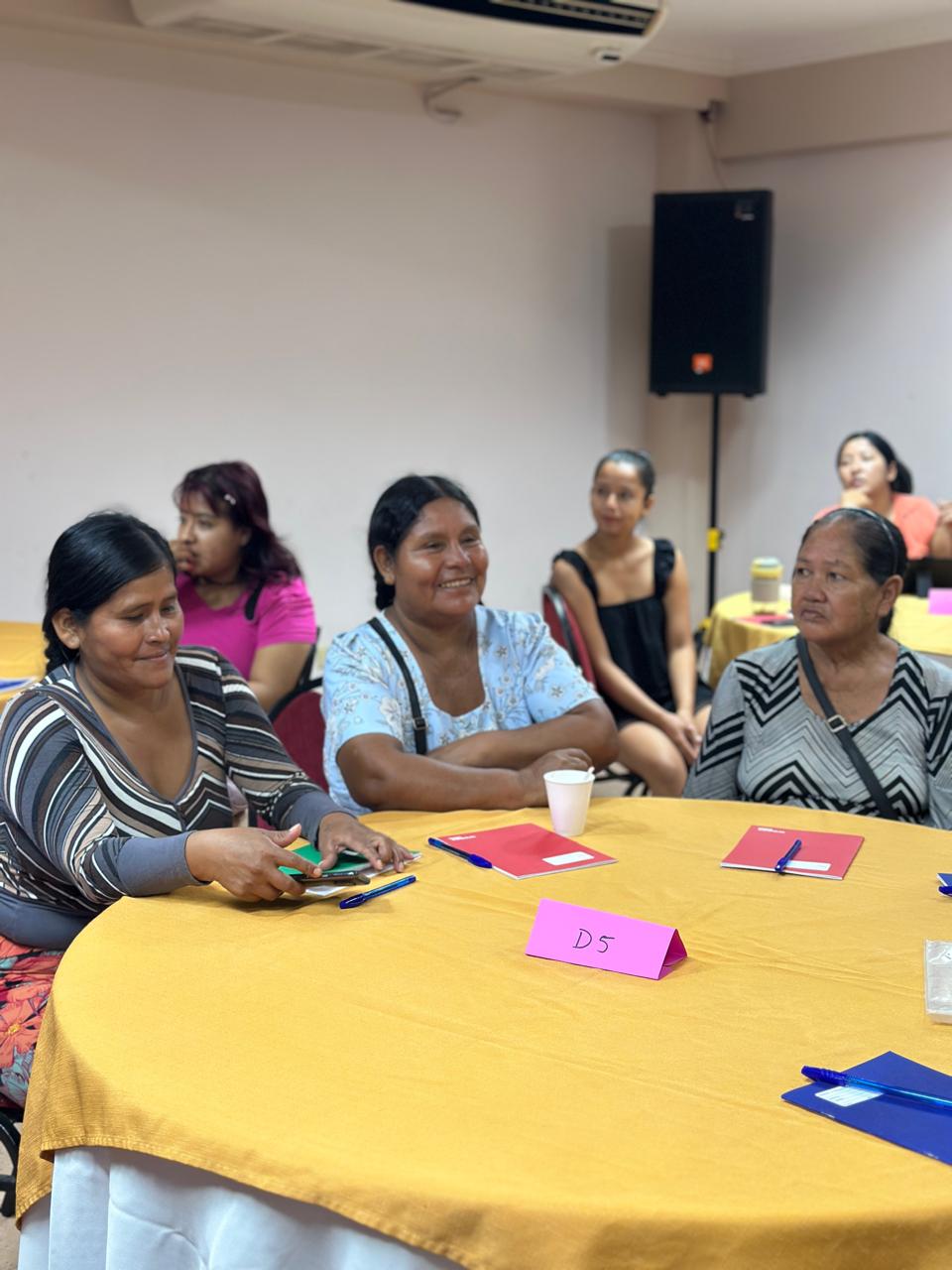
Throughout its history, the organization has developed comprehensive actions aimed at preventing gender-based violence, providing psychosocial and legal support to women survivors, facilitating access to justice, and advocating for women's right to live free from violence and to make decisions about their bodies.
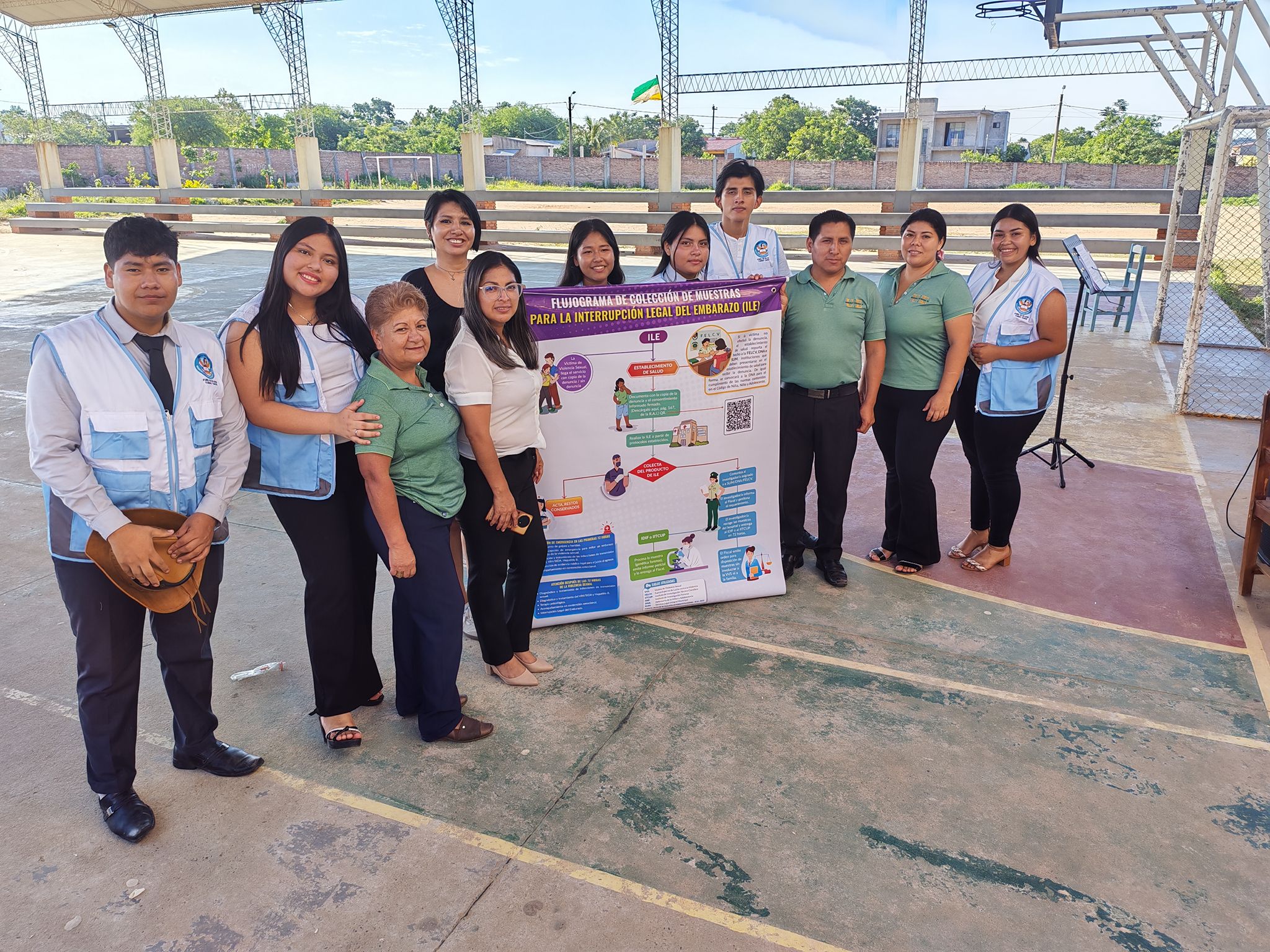
From its inception, the Women's House has established itself as an autonomous feminist space, independent of political parties, yet deeply committed to social transformation. Its work is based on questioning the multiple forms of oppression that affect women, linking the defense of women's rights with the construction of a more just, equitable, and democratic society.
Currently, the Women's Center continues to strengthen its comprehensive intervention model, coordinating services, advocacy, and knowledge generation to effectively respond to the needs of women experiencing violence. Its Institutional Strategic Plan guides its lines of action toward the full guarantee of their rights.
Identity and approach
Defense of equal rights and opportunities, without distinction of any kind.
Recognition of women's right to make free decisions about their lives, bodies and projects.
Commitment to the eradication of all forms of sexist and gender-based violence.
Promotion of comprehensive, dignified and gender-neutral services that guarantee the restoration of rights.
Recognizing women's voices as a starting point for care and support.
Areas of care and legal framework
Mission
To promote women's human rights, especially the right to a life free from violence, through prevention, care and psycho-legal and social support for women and their children in situations of domestic and family violence; and through training and public advocacy processes aimed at empowerment, the full exercise of women's citizenship and the transformation of patriarchal power relations.
Vision
Empowered, autonomous women exercising their individual and collective citizenship, participating in decision-making and contributing to the construction of a society with social justice, free from violence and discrimination.
Our team
The people who support Casa de la Mujer every day with commitment, solvency and warmth.
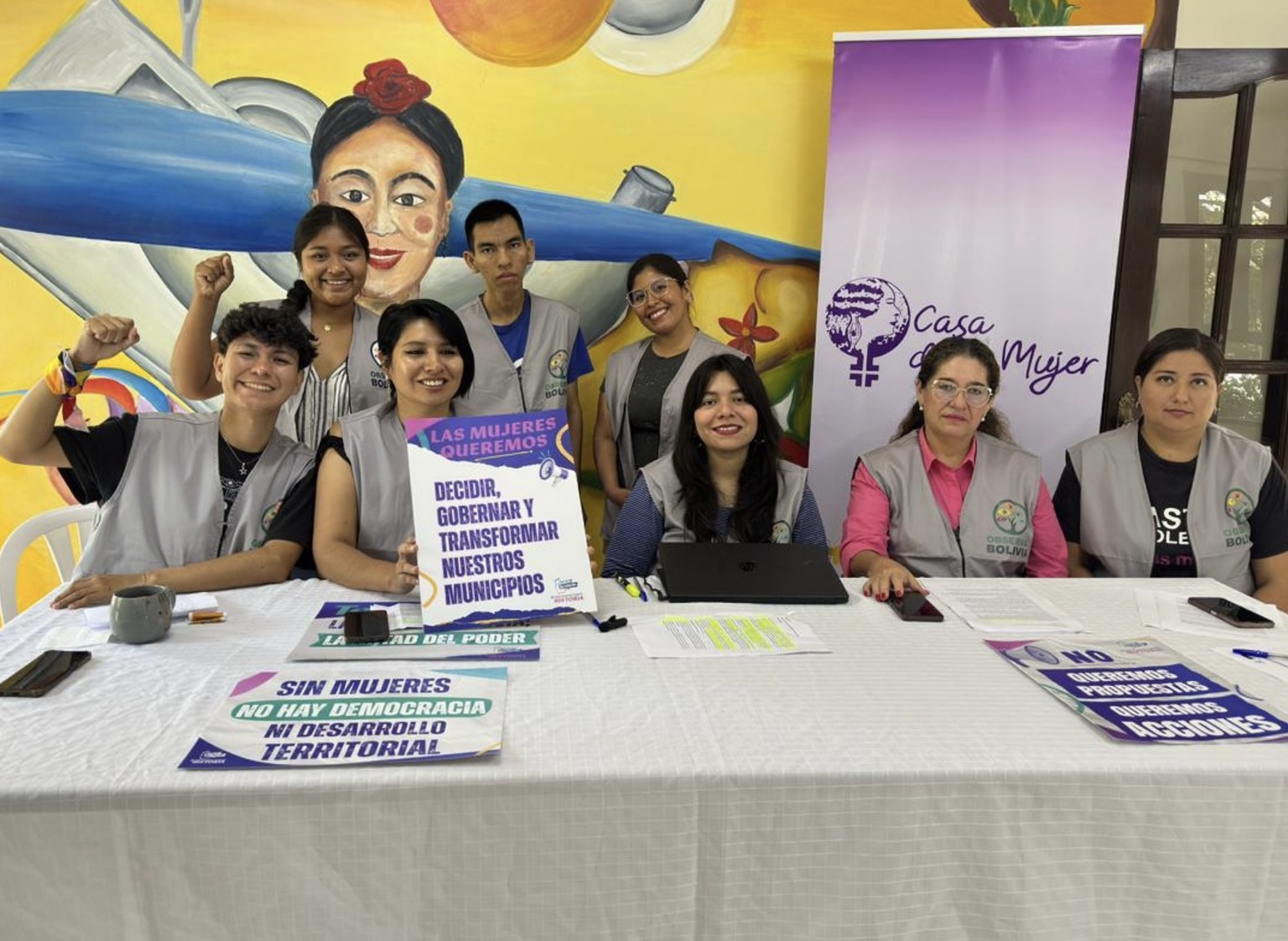
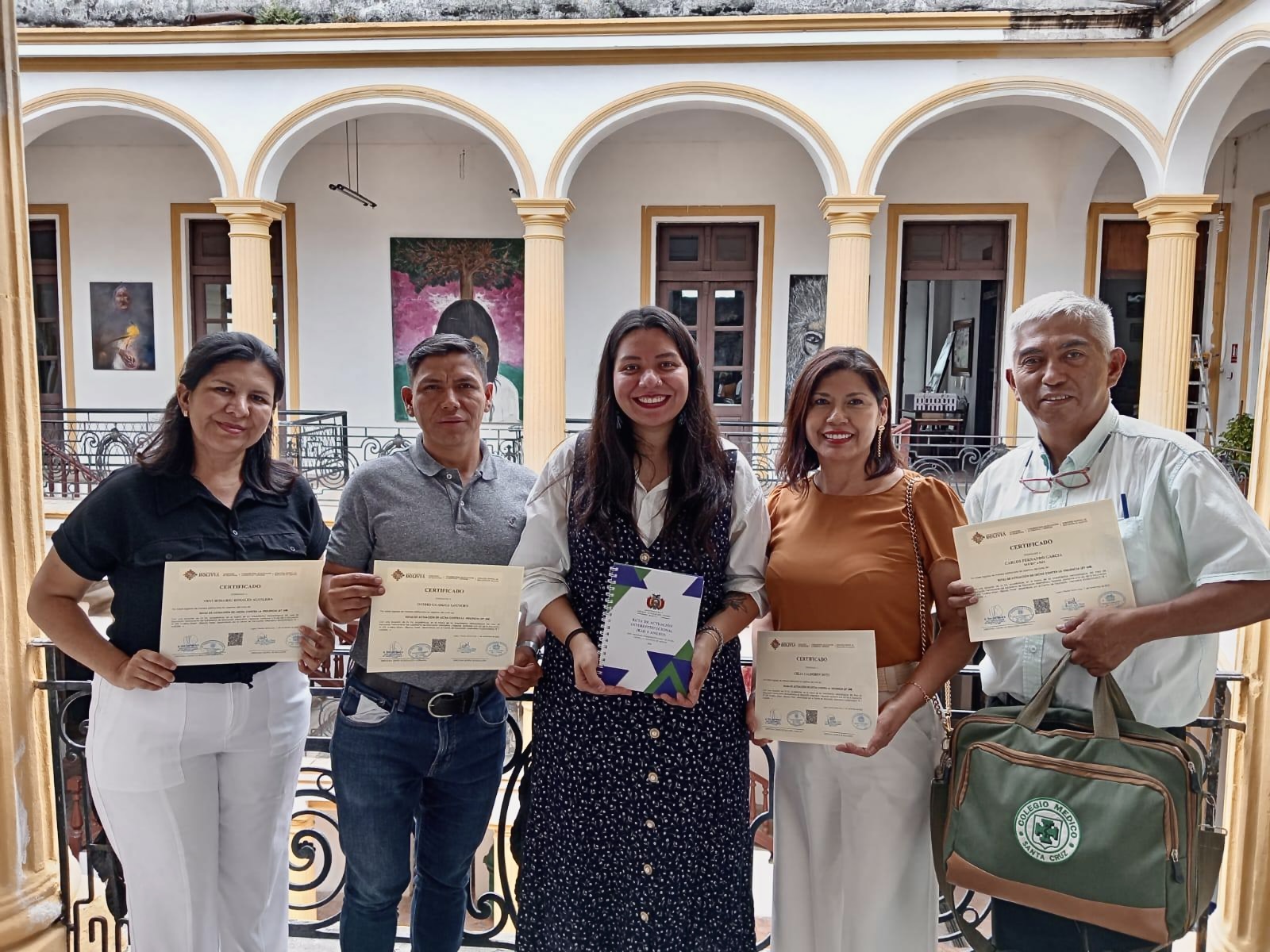
Executive Director, Casa de la Mujer
Head of the Human Rights Department — Board
Executive Administrator — Administration
Executive Accountant — Administration
Administration
Psychologist and project officer
Doctor in charge of the women's comprehensive health centre
Lawyer — Legal team
Family law lawyer — Legal team
Coordinator, Koika project
Sociologist, implementation officer
General Communications Coordinator — implementation officer
Head of Young Leaders
Head of the shelter
Our approach and framework
See how we bring together our medical response, our reading of the Bolivian reality and the laws that stand behind women.
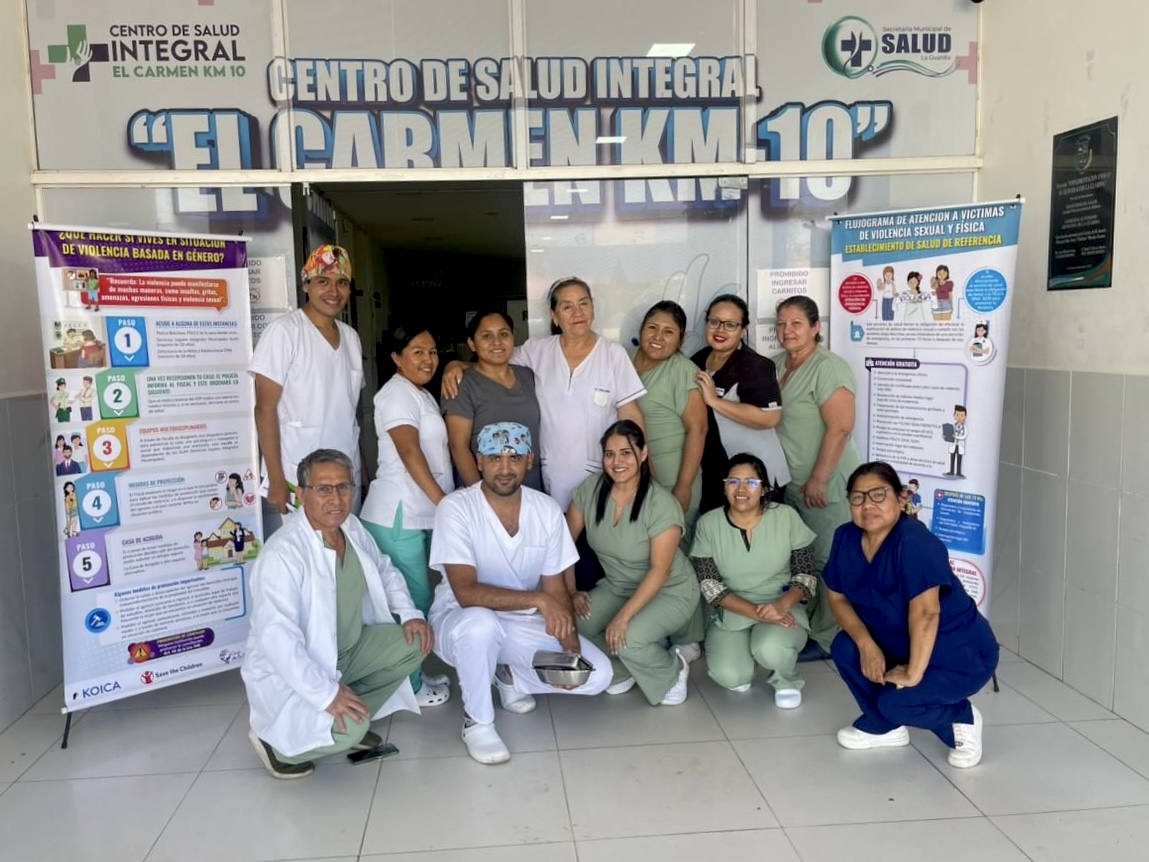
Casa de la Mujer's health service provides comprehensive, timely medical care to women, girls, and adolescents, especially in situations of gender-based violence.
It offers care in clinical emergencies, emotional support, and accompaniment in addressing the physical consequences of violence, including treatment of injuries and access to sexual and reproductive health services. It also carries out medico-legal procedures in accordance with Law 348, such as certifying cases of violence and collecting evidence.
The service also guarantees access to prevention, care, and health guidance measures, including emergency contraception, STI prevention, and, where applicable, legal termination of pregnancy.
In coordination with other bodies, the relevant notifications are made and referrals to higher-complexity services, ensuring comprehensive, dignified care with a gender approach.
Timely care for the physical consequences of sexist violence, treatment of injuries and immediate emotional support.
Preventive guidance, access to emergency contraception, prevention of STIs and legal termination of pregnancy procedures.
Expert procedures under Law 348, technical certification of cases of violence and careful collection of evidence.
Work with other institutions on notifications and referrals to hospital services for more complex cases.
Bolivia's context continues to be marked by profound gender inequalities and the persistence of sexist violence as a structural problem. In recent years, feminist movements have strengthened their struggles, gaining greater visibility and influence, although they face conservative reactions seeking to limit the rights won.
Gender-based violence remains one of the main violations of human rights. More and more women are breaking their silence and filing complaints, demanding timely and unbiased justice; however, high levels of impunity, barriers to access, and weaknesses in the application of due diligence persist.
This violence has direct impacts on the physical, mental, and sexual health of women, girls, and adolescents. Despite this, access to comprehensive, dignified health services with a gender approach remains limited, hindering the restitution of rights.
Persistent historical gender inequalities and resistance from conservative sectors to feminist gains.
More women are reporting, against high levels of impunity, demanding swift justice and due diligence without bias.
Deep effects on the physical, mental and sexual health of women and girls, with barriers to public services that take gender into account.
A pressing need for the full restitution of rights through continuous, sustained interdisciplinary support.
Casa de la Mujer carries out its work within the framework of international and national human rights instruments that recognize and guarantee the rights of women, girls, and adolescents, as well as their right to a life free of violence and access to comprehensive health.
Internationally, key instruments include the Universal Declaration of Human Rights, the Convention on the Elimination of All Forms of Discrimination against Women (CEDAW), and the Convention of Belém do Pará, which defines violence against women as a human rights violation.
Nationally, the Political Constitution of the Plurinational State of Bolivia recognizes the right to equality, non-discrimination, a life free of violence, and the exercise of sexual and reproductive rights. This framework is complemented by Law No. 348, Law No. 243 against harassment and political violence, Law No. 263 against trafficking in persons, and Law No. 045 against racism and all forms of discrimination.
Recognises equality, non-discrimination, a life free of violence and the exercise of sexual and reproductive rights.
The Comprehensive Law to Guarantee Women a Life Free of Violence, defining offences and protective measures.
Protection against political harassment of women, prevention of human trafficking, and action against racism and discrimination.
CEDAW, the Convention of Belém do Pará and the Universal Declaration of Human Rights, which recognise gender violence as a breach of rights.
Keep exploring
The five comprehensive care services of Casa de la Mujer and the directory of municipal offices for violence care in Santa Cruz de la Sierra.
Articles, public positions, and columns of Casa de la Mujer.
Calls, volunteering, and internships at Casa de la Mujer, Santa Cruz de la Sierra.